How Device Protections Shape Pathways to Collective Awards in Interactive Mobile Gaming Environments
Amir Lange · Oct 10, 2026
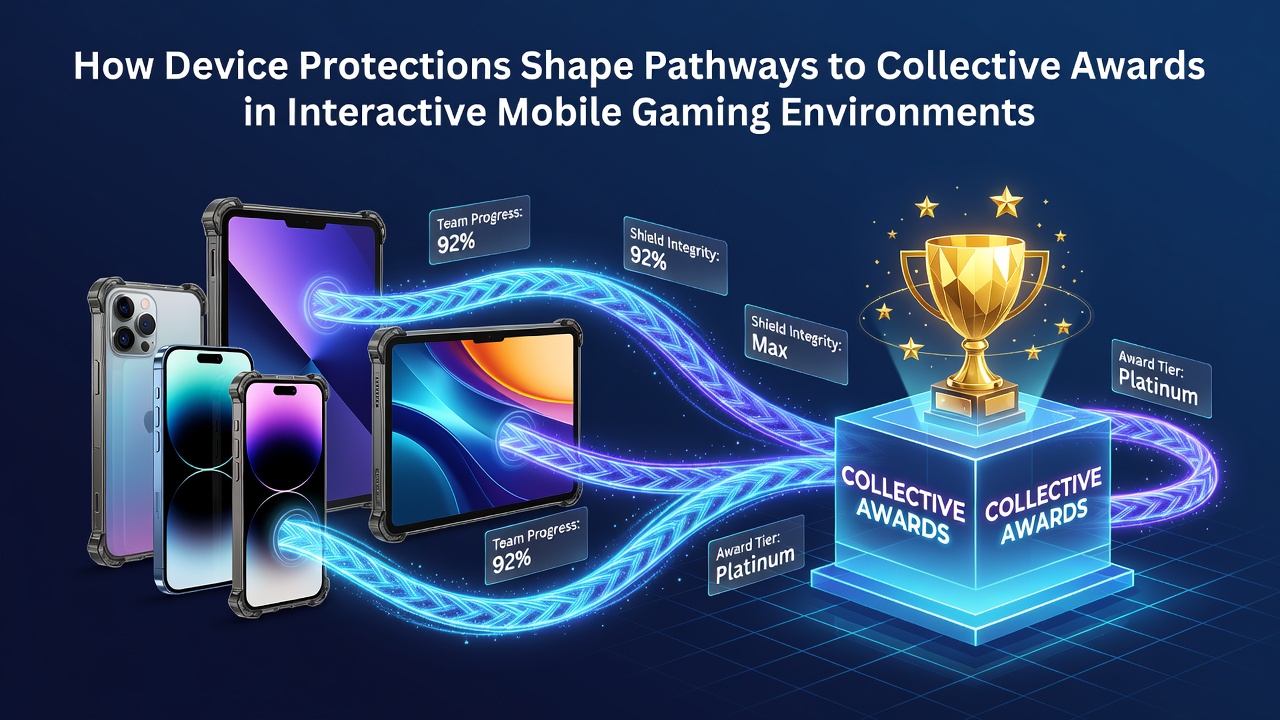
How Device Protections Shape Pathways to Collective Awards in Interactive Mobile Gaming Environments
Device protections in mobile environments continue to influence how players reach shared reward systems in interactive gaming platforms, with security layers determining eligibility for pooled prize structures that accumulate across user bases. Research from industry reports shows that operating system safeguards, including secure boot processes and hardware-backed keystores, filter participation in collective award mechanisms by verifying device integrity before granting access to synchronized bonus pools.
Core Device Security Elements in Mobile Gaming
Modern smartphones incorporate multiple protection tiers that interact directly with gaming applications, where features such as app sandboxing and runtime permission controls restrict unauthorized data flows between game clients and central servers managing collective awards. Studies conducted by academic institutions in Europe indicate that devices running updated firmware versions maintain higher compliance rates with reward distribution protocols, allowing seamless entry into progressive prize ladders that depend on verified player connections.
Hardware elements like trusted execution environments isolate sensitive operations during gameplay sessions, and this separation prevents tampering that could otherwise disrupt the calculation of shared rewards across thousands of concurrent users. Data collected through October 2026 reveals consistent patterns where platforms report elevated participation metrics from devices equipped with advanced biometric hardware, though these metrics tie specifically to authentication success rates rather than individual outcomes.
Pathways Linking Protections to Reward Access
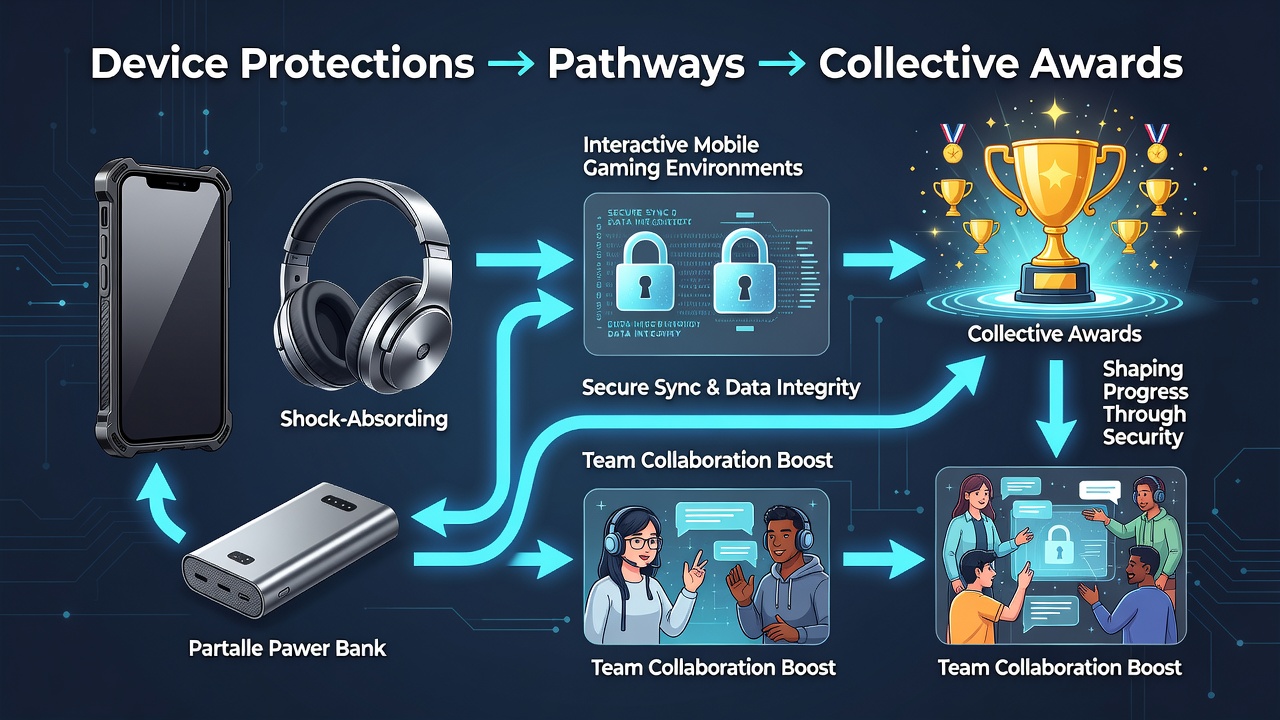
Collective awards in interactive mobile gaming often rely on real-time synchronization between player devices and backend systems, with device-level encryption standards serving as gatekeepers that validate transaction integrity before credits enter communal prize funds. Observers note that applications enforce minimum security baselines, such as certificate pinning and anti-tampering checks, which route eligible players toward bonus tiers funded by aggregated contributions from verified accounts.
One case documented in North American gaming analyses demonstrates how devices lacking recent security patches encounter blocked pathways to certain multiplayer events, effectively channeling participation through compliant hardware configurations that support uninterrupted data exchange with award servers. Figures from regulatory bodies in Australia highlight that platforms incorporating device attestation protocols experience measurable increases in the volume of contributions flowing into progressive systems during peak activity windows.
Regional Variations and Platform Adaptations
European Union directives on digital services have prompted gaming operators to align device verification processes with broader data protection frameworks, resulting in standardized checks that determine eligibility for cross-border collective award events. Research indicates these alignments produce uniform access criteria across member states, where compliant devices unlock synchronized prize distributions without regional discrepancies in reward calculation timing.
Canadian provincial oversight bodies track similar dynamics, with reports showing that gaming environments using device fingerprinting techniques achieve greater accuracy in attributing contributions to collective funds, thereby reducing discrepancies that arise from unverified connections. Platforms adapt by embedding conditional logic that evaluates protection status at session initiation, directing users toward appropriate reward pathways based on detected security profiles.
Technical Mechanisms Driving Eligibility
Secure element chips embedded in mobile hardware facilitate isolated processing of authentication tokens required for entry into shared award systems, and this isolation ensures that only devices meeting cryptographic standards participate in the aggregation of prize pools. Industry data compiled through mid-2026 illustrates how such mechanisms correlate with higher volumes of validated entries, as operators log fewer instances of interrupted reward claims from protected endpoints.
Application developers integrate these protections through software development kits that query device status before rendering interfaces for collective events, creating automated filters that maintain the integrity of pooled resources. Those studying mobile ecosystems observe that updates to core operating systems frequently expand the range of supported protections, expanding access corridors to award structures for a broader set of hardware models over successive release cycles.
Conclusion
Device protections establish verifiable routes into collective award systems by enforcing integrity standards that underpin synchronized prize distributions in interactive mobile gaming. Continued evolution of hardware and software safeguards shapes participation patterns, as evidenced by metrics from multiple regulatory and research sources tracking access volumes through October 2026 and beyond. These technical foundations sustain the operational frameworks that connect individual device compliance with the broader mechanics of shared reward accumulation.